Frequently Asked Questions
Frequently Asked Questions
Below are answers to some of the questions I receive most often about my photography and fine art prints. If you have a question that isn't covered here, I'd be happy to help.
Fine Art Print FAQ
What size are your prints?
All prints are 8 x 10". I chose this size because it feels more personal and intimate. It gives you enough room to appreciate all the details without making the photograph feel oversized. The finishes are chosen to minimize reflections and let the image speak for itself, while the archival materials help preserve its depth and character over time. To me, this format feels intentional, something meant to be held, studied, and appreciated.
How do I choose the right paper finish for my print?
Choose Matte for a clean, glare-free look that works well in bright rooms. Pick Cotton-Rag for a soft, textured fine-art feel, or go with Baryta for maximum sharpness, deep tones, and vibrant colors.
Here is a chart detailing the different paper finishes:
| Finish | Weight | Highlights | Characteristics |
|---|---|---|---|
| Matte | 230 GSM | Archival Quality | Rich detail with a glare-free finish |
| Cotton-Rag | 290 GSM | 100% Cotton Fiber | Fine art paper with natural texture |
| Baryta | 305 GSM | Premium Finish | Superior sharpness and vibrant color |
What does GSM mean in the paper weight column?
GSM stands for grams per square meter and measures the thickness and sturdiness of the paper. All three options are heavyweight fine-art papers, with Baryta (305 GSM) feeling the thickest and most substantial, followed closely by Cotton-Rag (290 GSM) and Matte (230 GSM).
What makes Cotton-Rag paper different from standard Matte paper?
Cotton-Rag is made from 100% cotton fibers rather than wood pulp, giving it a heavier weight and a subtle, natural surface texture. It feels like traditional watercolor or museum paper, whereas Matte has a smoother, flatter surface.
What is Baryta paper, and when should I use it?
Baryta (pronounced buh-RYE-tuh) is a heavyweight 305 GSM paper coated with barium sulfate, mimicking the look and feel of traditional darkroom prints. It's the best choice for high-contrast photography, black-and-white images, and artwork where you want colors to pop.
Are your prints durable enough to last without fading?
Yes, all three options are museum-grade papers designed for longevity. The Matte paper is rated for archival quality, and the 100% cotton fibers in the Cotton-Rag naturally resist yellowing and deterioration over time.
Print Shipping FAQ
When will I receive my print?
Requests are submitted to the supplier on-demand, so it could take a few weeks after ordering to receive your prints.
How will my print arrive?
Every print is packaged by hand with care. Your print will arrive in a clear archival sleeve to protect the surface and preserve detail, and is safely packaged and shipped in a flat rigid mailer. Included inside is your invoice along with a personally typed thank-you note. I want each print to feel less like a transaction and more like receiving something thoughtfully made and personally shared.
Do you charge for shipping?
No. Shipping is free for all orders within the United States. I would rather anyone interested in purchasing a print focus on the print itself versus additional add-on costs.
Do you ship outside the United States?
No. At this time, I only ship orders to addresses within the United States.
Do you offer refunds on prints?
Yes, but only if the print order has not been placed with the supplier. In cases where I have a print available in inventory, a refund can be issued prior to shipment.
Photography FAQ
Do you offer photography services?
Yes! If you have a product you'd like photographed or a commercial space you'd like photos of, I'd be happy to help. I offer commercial and product photography for businesses that need professional images for their website, social media, marketing materials, or other uses. Pricing starts at $150. Quick turnaround. More info at each link below.
Do you use presets or AI?
No. When I first started, I experimented with different presets to see what felt right, but realized none of them really matched what I was looking for, so I started adjusting the settings myself until I found a style that felt like my own. Every photo is individually edited, with shared settings used across photos from the same set for consistency.
I don't use AI.
TLDR: No.
What camera gear do you use?
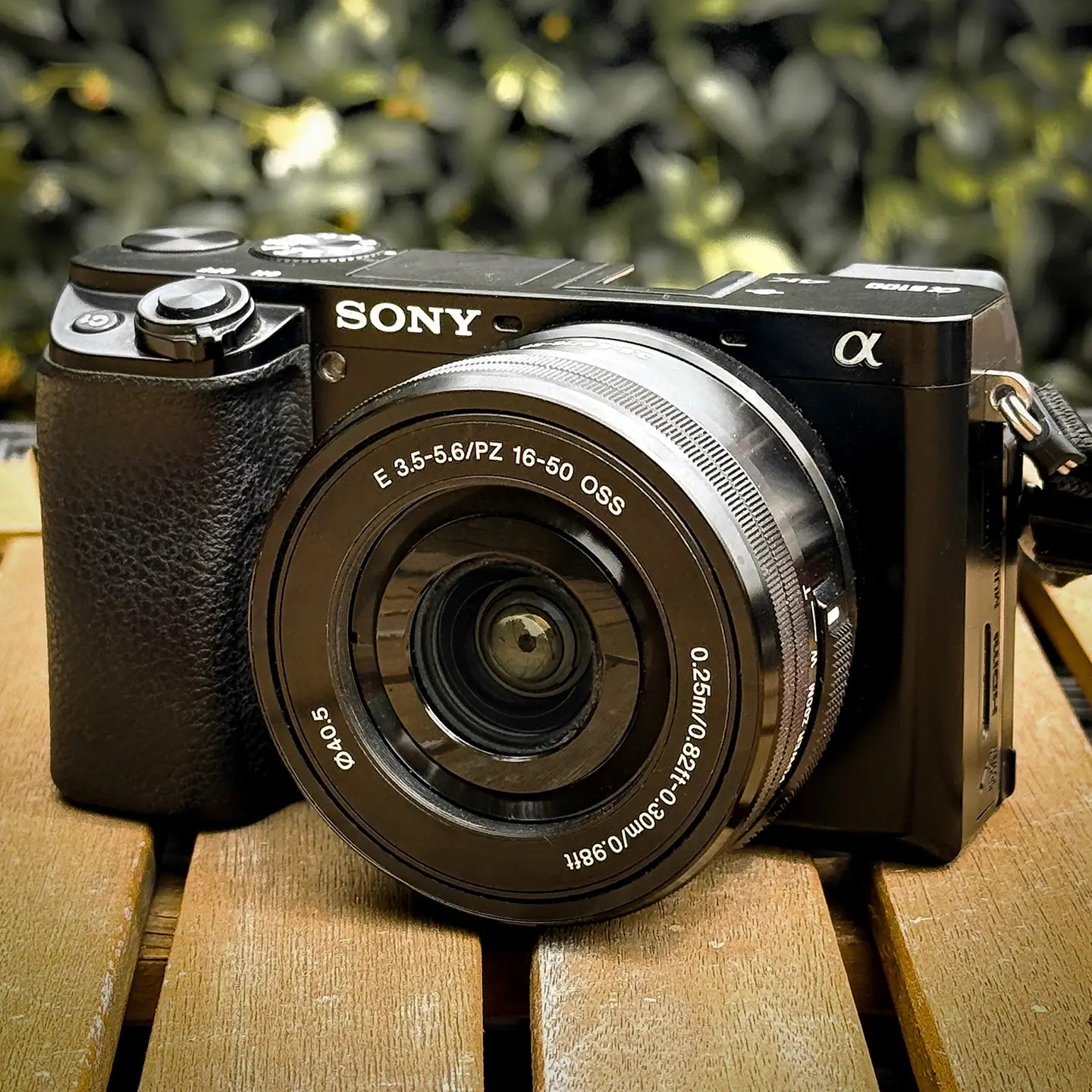 Sony A6100, digital
I photograph primarily with a Sony A6100 mirrorless camera paired with a small collection of lenses, depending on the scene: a 16-50mm kit lens, 55-210mm telephoto lens, and 400-800mm super-telephoto lens. The camera is lightweight enough to carry on long hikes and day trips around Oregon while still producing the image quality I want for fine art prints.
I also shoot on film with a Minolta SR-T 101 and Kodak Gold 200, and looking into Ilford FP5 Plus 125. Film has been a great learning experience, and has a character that's difficult to replicate digitally with the look and feel I'm going for.
For video, I shoot digitally, but also shoot on a Minolta XL-601 Super 8 camera using Pro8-07 250D film stock. Super 8 has its own unmistakable look, making it a fun way to document candid events with a timeless feel.
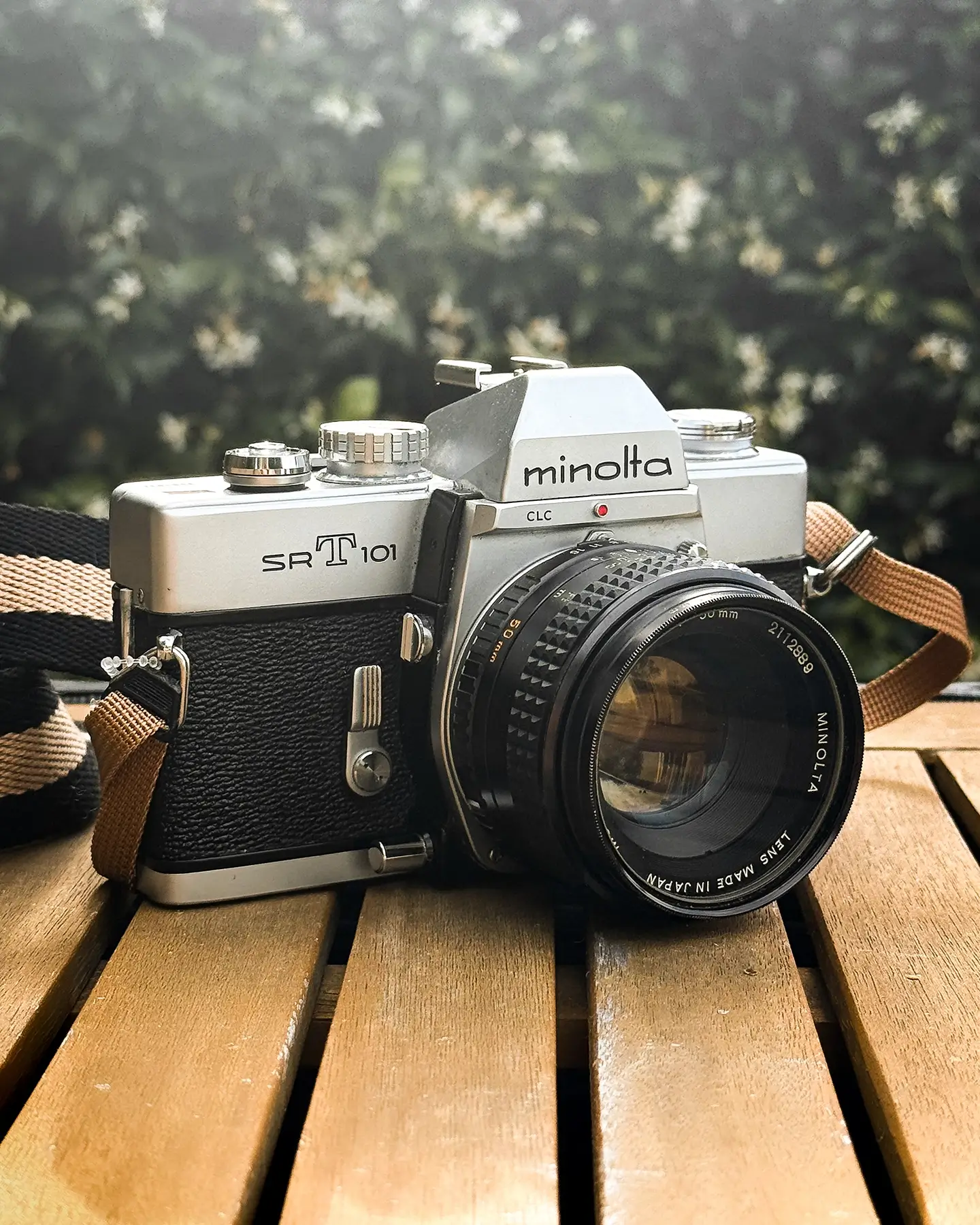 Minolta SR-T 101, 35mm
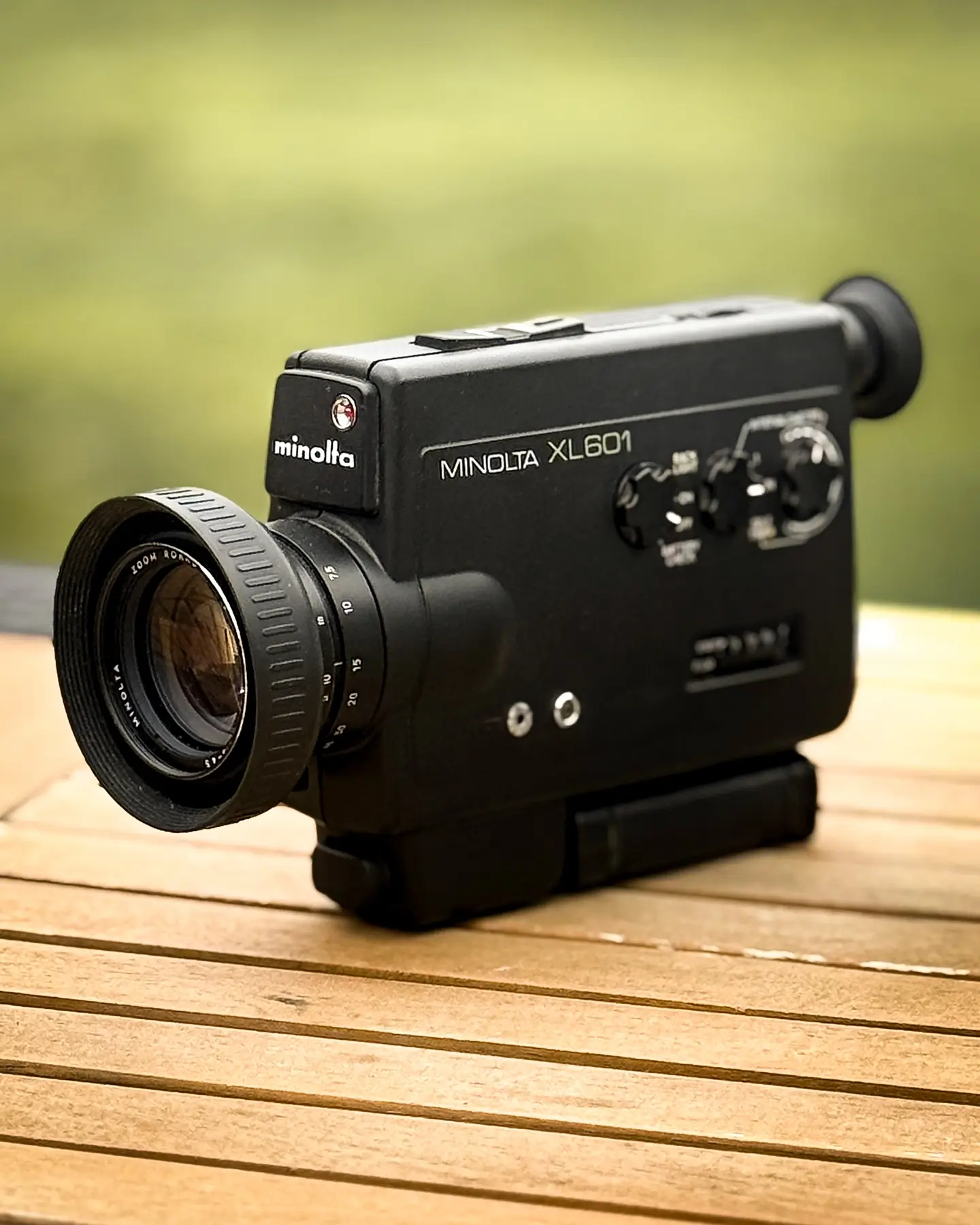 Minolta XL-601, Super 8
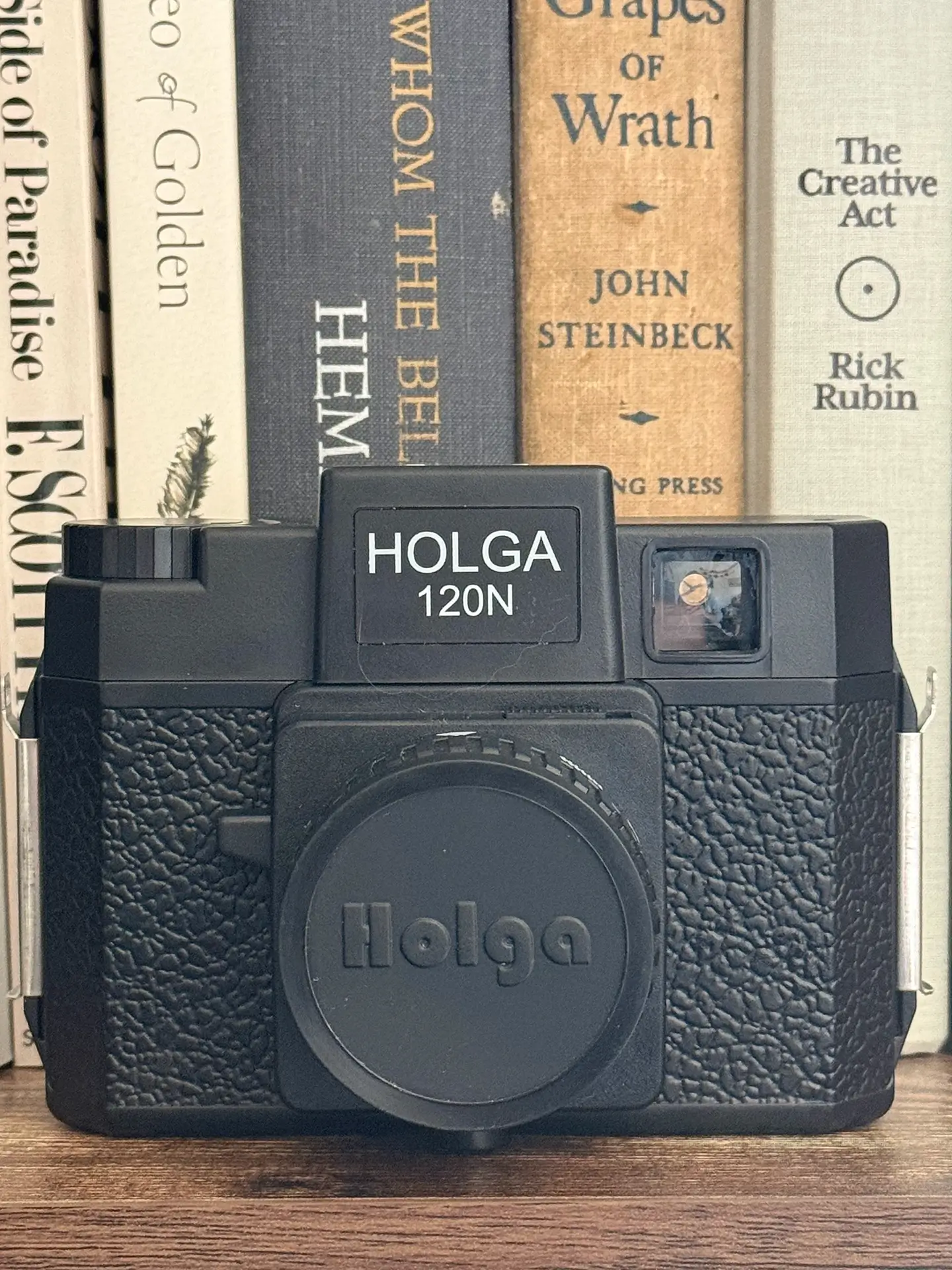 Holga 120N, 120
Film, Processing & Scanning
Super 8
Film Stock: Pro8/07 ASA 250
Processing & Scanning: Pro8mm
35mm
Film Stock: Kodak Gold 200
Processing & Scanning: The Dark Room
120
Film Stock: Ilford HP5 Plus
Processing & Scanning: The Dark Room
Have more questions?
Feel free to connect with me if you have any additional questions.